
MANILA, Philippines — February 2026 marks forty long years after millions of Filipinos gathered along Epifanio de los Santos Avenue (EDSA) to end authoritarian rule and restore democracy. Yet to this day, indigenous families on Bugsuk Island in southern Palawan are still fighting to reclaim land taken during the dark period of Martial Law. Their struggle has become a measure of whether the 1987 Constitution’s promise of social justice has reached the country’s most remote communities.
When the dictatorship fell in 1986, the Constitution that followed placed social justice at the center of state policy. It mandated agrarian reform, recognized the rights of indigenous peoples to their ancestral domains, and authorized the regulation of property for the common good. The charter envisioned not only the return of elections and civil liberties, but also a restructuring of wealth and power.
On Bugsuk Island, that restructuring remains unresolved.
Land taken during Martial Law
In 1974, during the height of Martial Law, 10,821 hectares covering parts of Bugsuk and neighboring Pandanan Island were taken, displacing Molbog, Palaw’an, and Cagayanen residents. Families were relocated to areas such as Calasaguen in Balabac, according to community accounts and historical records tied to the period.
Pearl farms were established on the island in 1981. Residents say access to traditional fishing grounds was later restricted, including the closure of a channel they had long used.
When the dictatorship fell in 1986, displaced families organized the Balik Bugsuk Movement to press for their return. The campaign has since evolved into the Sambilog–Balik Bugsuk Movement, which continues to assert claims over the contested land.
Community members have recounted threats and intimidation over the years. In documentary testimony shared by support groups, one resident described being confronted by armed men and told to choose between his land and his family. Advocates have publicly circulated these accounts. Corporate representatives have previously maintained that their activities on the island are lawful.
EDSA restored political democracy. For residents of Bugsuk, the question has been whether it restored land.
A constitutional promise
The 1987 Constitution declared social justice a core principle. It required the state to pursue agrarian reform and protect the rights of indigenous cultural communities to their ancestral domains. Legal scholars have described these provisions as an effort to address centuries of concentrated land ownership and economic inequality.
The intent, they note, was structural change, not charity.
Four decades later, implementation tells a more complicated story.
Agrarian reform reversed
In 2014, the Department of Agrarian Reform issued a Notice of Coverage under the Comprehensive Agrarian Reform Program covering portions of the contested property in Bugsuk.
Between 2023 and 2024, however, the agency revoked coverage over 10,821 hectares, citing findings that the land was not suitable for agriculture.
Residents dispute that assessment, pointing to crops grown on the island, including corn, cassava, and bananas. They argue that farming has long been part of their livelihood.
Nationally, agrarian reform has faced persistent delays and exemptions. When the extended program concluded, hundreds of thousands of hectares remained undistributed. Land reform advocates have long cited legal loopholes and political resistance as obstacles to full implementation.
If agrarian reform faltered in Bugsuk, ancestral domain recognition was meant to offer another layer of protection.
Ancestral domain claims pending
In 2005, residents filed applications for Certificates of Ancestral Domain Title with the National Commission on Indigenous Peoples. The claims remain pending.
In October 2024, the commission issued a Certificate of Non-Overlap related to portions of the contested area. In July 2025, a court dismissed a petition for injunctive relief filed by residents, citing jurisdictional grounds and the absence of a formally recognized ancestral domain title.
The Indigenous Peoples’ Rights Act recognizes ancestral domains but also contains provisions respecting existing property rights regimes. In practice, unresolved claims can leave communities in a legal gray area while development plans move forward.
Development plans and security deployment
Plans for a proposed Bugsuk Island Eco-tourism Development Project intensified tensions in 2024. An environmental impact scoping identified potential risks to fishing grounds and local livelihoods.
In May and June 2024, residents blocked visits by company representatives and government officials, according to community leaders. Support groups reported that armed and masked security personnel were deployed to the island and alleged that shots were fired during confrontations. These allegations have been documented by church and civil society groups.
At one point, residents said there were 96 security guards. They reported fear, disrupted schooling, and restrictions on movement.
The company involved has previously stated that its actions were lawful and related to property management and development planning. Authorities have said security personnel were engaged for protection.
On Aug. 1, 2025, after 397 days, security guards were pulled out from the island. Legal cases involving community members remain pending.
The struggle reaches Manila
As tensions escalated, the campaign moved beyond Palawan.
In June 2024, representatives traveled to Ateneo de Manila University to share their situation with students and faculty. A solidarity network was later formed to support the community’s calls.
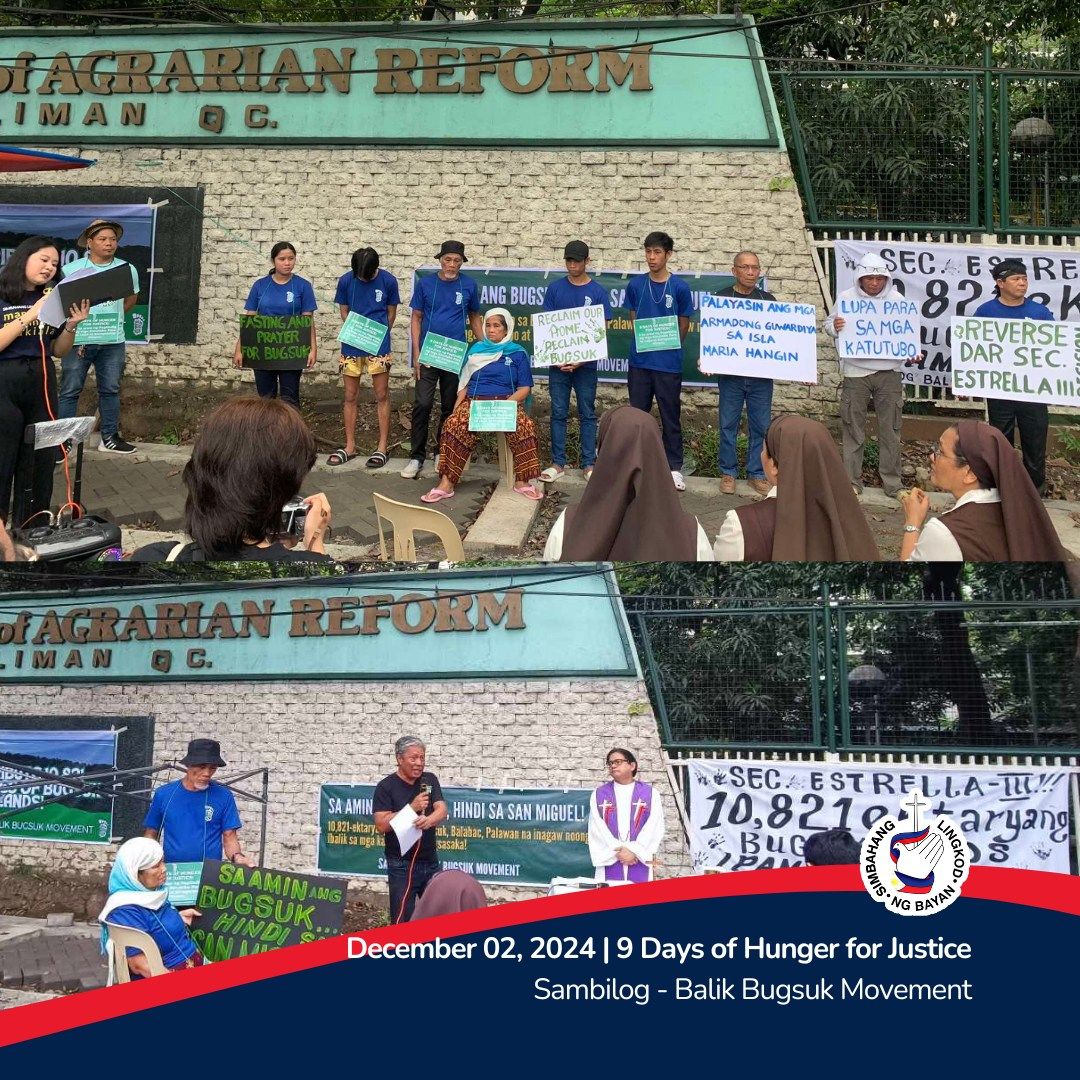
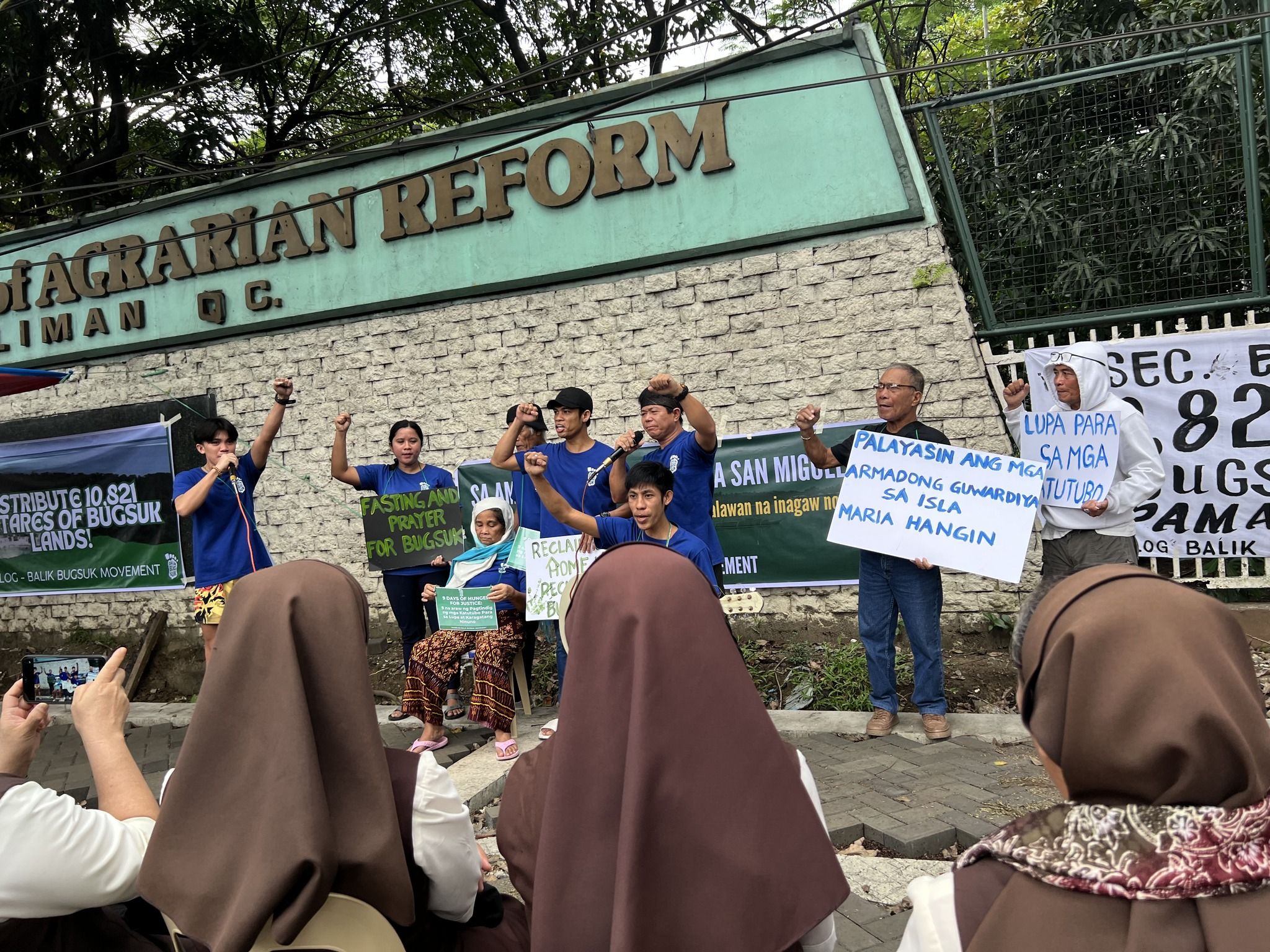
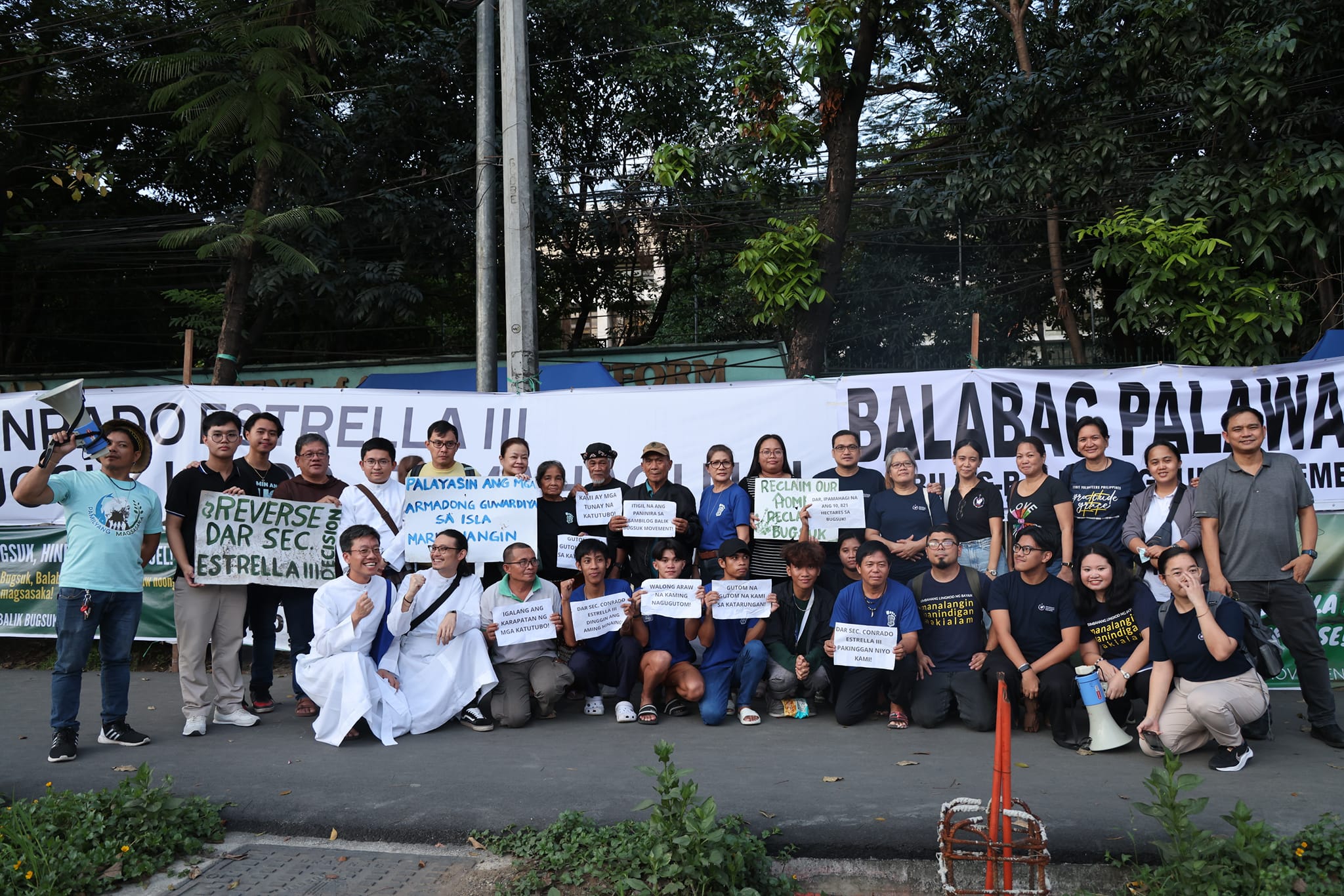
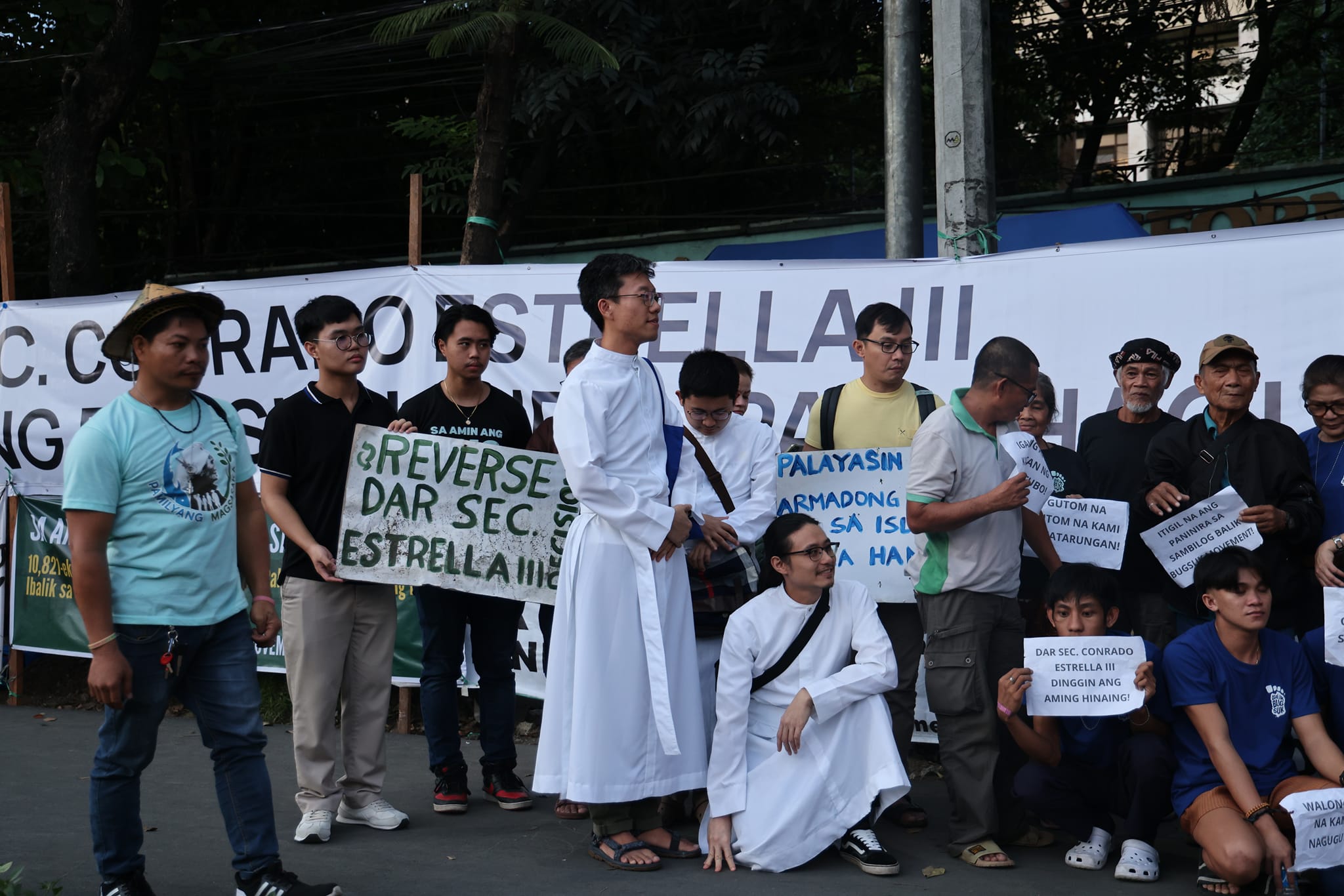
Advocates say more than 70 media reports on the dispute were published in 2024. From Dec. 2 to 10 that year, residents and supporters held a hunger strike outside the Department of Agrarian Reform office, calling for dialogue and a review of agency decisions. Church groups and civil society organizations organized peace missions to the island.
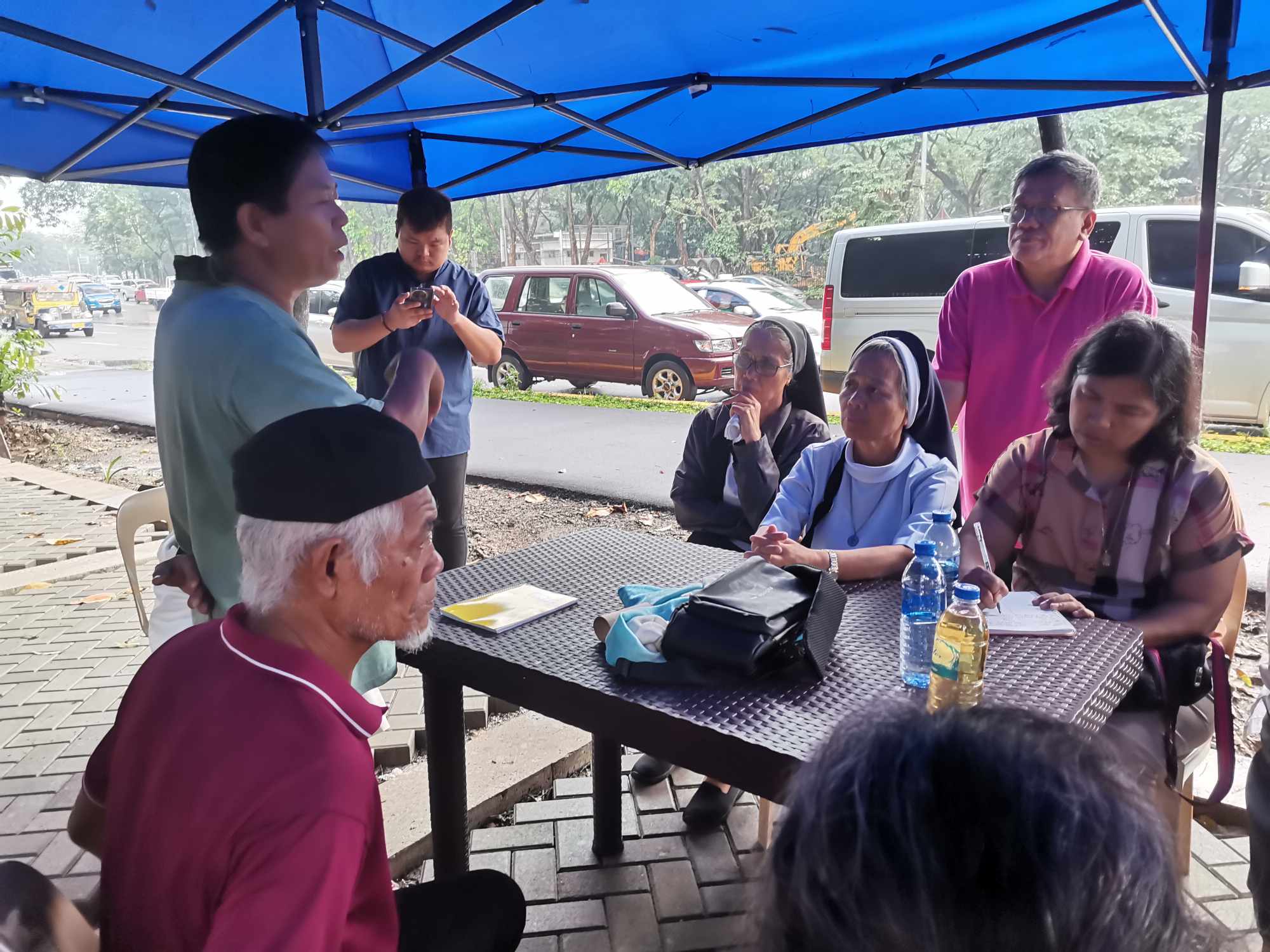
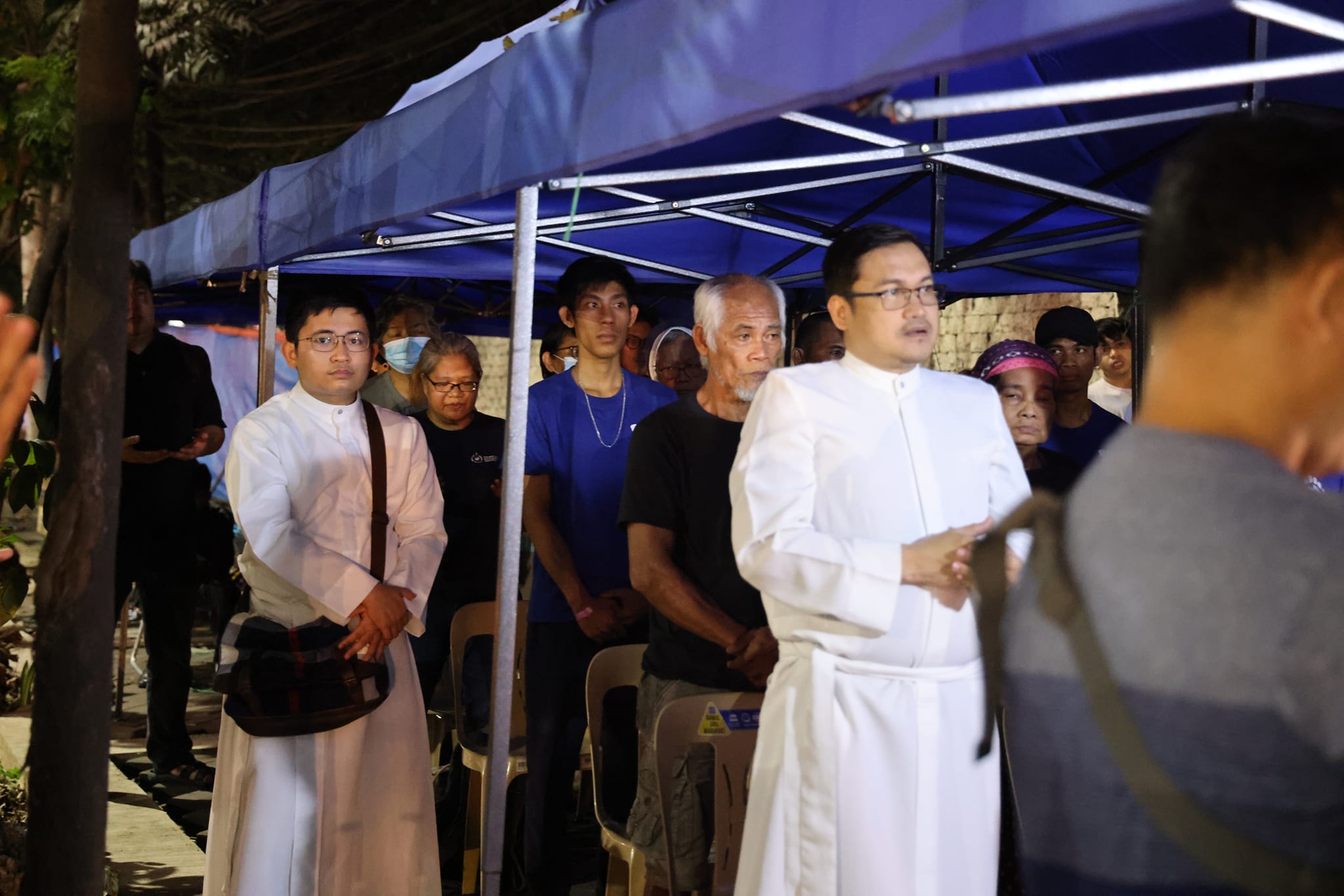
In 2025, several residents were arrested in connection with related cases, including members referred to by supporters as the “Marihangin 10.” Funds were raised for bail, and hearings continued through the year. In July 2025, youth leader Angelica Nasiron was arrested in a separate case. Authorities have said the charges stem from existing complaints filed in court.
The mobilization has remained largely peaceful, centered on petitions, court appearances, and public forums.
Property and social justice
The dispute in Bugsuk reflects a long-standing tension in Philippine law between the protection of property rights and the Constitution’s mandate for social justice.
During the drafting of the 1987 Constitution, commissioners debated how far the state could go in redistributing land and regulating ownership. The final text authorized reform but preserved legal protections for property and due process.
Over the decades, courts have often approached economic regulation with caution. Social justice provisions, while explicit, have at times depended on legislative action and administrative enforcement.
The result, critics say, is a gap between constitutional promise and lived experience.
Democracy at 40
At 40 years, the legacy of the EDSA uprising is secure in history books. It restored elections, revived democratic institutions, and ended authoritarian rule.
In Bugsuk, however, the anniversary carries a different weight.
Security forces have withdrawn from the island, but court cases are ongoing. Ancestral domain applications remain unresolved. Agrarian reform coverage has been revoked. Residents continue to assert their claims through legal channels and public advocacy.
Democracy is often measured in ballots cast and offices won. In places like Bugsuk, it is also measured in land titles issued, fishing grounds accessed, and the outcome of cases docked in court.
Forty years after Filipinos stood together to demand dignity and accountability, the true test of People Power may lie in whether its promises reach communities that have waited the longest.

Leave a Reply